
Building a vinyl collection is simpler than the internet makes it sound. Start with a turntable that works, buy records you’ll actually play, learn to read condition, and keep them out of the heat. Everything else is taste.
This guide walks through it in order: what kind of collector you are, your first 10 to 20 records, where to buy, how to judge a used copy, how to store and organize, and how to keep growing without wasting money. We’ll keep the jargon light.
What kind of collector are you?
Before you spend anything, figure out what you want from this. Most people land in one of three camps, and it changes what you buy.
- The listener. You want good music on a good system. Condition and sound matter most; rarity doesn’t. This is where most beginners should start.
- The completist. You want every record by an artist or label. You’ll care about pressings, variants and the deadwax. Our guide to what dead wax is is where that road begins.
- The flipper. You buy to resell. It can work, but it is a different hobby with its own research, shipping and fees. This guide is for people building a collection to keep.
You can shift between these. Just know which one you’re being on a given Saturday, because it’s how you avoid impulse buys.
Start with something that plays
A collection is only as enjoyable as the thing playing it. You don’t need an expensive setup, but a decent turntable, a properly fitted cartridge and speakers you like will make every record sound better. If you’re starting from zero, read how to pick the right turntable. If you already own one, how to upgrade your vinyl setup covers what to change first.
Some people do collect vinyl without a player, mostly for the artwork. If you want to hear the music, a turntable is the first purchase, not the last.
Pick your first 10 to 20 records
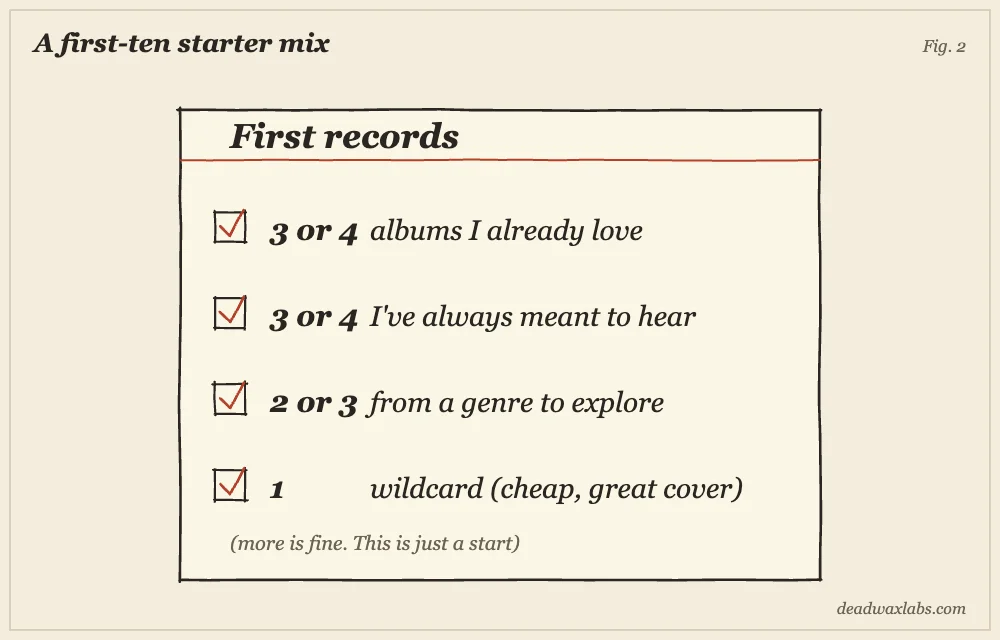
Don’t try to build a “perfect” starter list. Use a mix, and let the mix be yours. A simple recipe:
- Three or four albums you already love. You’ll know exactly what they should sound like, which makes it easy to judge your setup.
- Three or four albums you’ve always meant to hear. The “I should really listen to that” pile.
- Two or three well-regarded reissues or favorites in a genre you want to explore. Rough Trade’s advice to keep a running list of titles you want helps here, so you don’t buy on impulse.
- One wildcard. A cheap record you picked for the cover or the price. Some of the best finds start this way.
If you want a ready-made starting point in one lane, our list of the best MTV Unplugged albums on vinyl is a good place to browse.
Where to buy records
Every channel has trade-offs. Mix them.
Independent record stores
You can inspect the record, ask staff for suggestions, and dig through the racks. Oxfam’s shop experts suggest taking each record out of its sleeve and checking it carefully, and digging through the whole display, since good finds can be at the back. They also note that a well-organized shop that cleans and grades its stock is a good sign.
Online marketplaces
Discogs is the standard for used and rare records. Check recent sale prices before you pay, which Rough Trade also recommends. Read the seller’s grading notes and look at their ratings.
Thrift stores, markets and fairs
Cheap and unpredictable. Expect to flip through a lot of worn records. Be careful if a price seems too good for the condition, because Oxfam warns that counterfeits exist.
New reissues and Record Store Day
New pressings come sealed and clean, though quality varies by title and plant. Record Store Day releases are limited runs sold through independent shops. They can be fun, but don’t buy something just because it’s limited.
Deal-hunting on Amazon
For new records, it helps to know whether a price is actually low. Scout, our vinyl deal tracker, compares Amazon prices against each record’s 90-day average, so you can see whether a price drop is real before you buy.
How to judge a used record
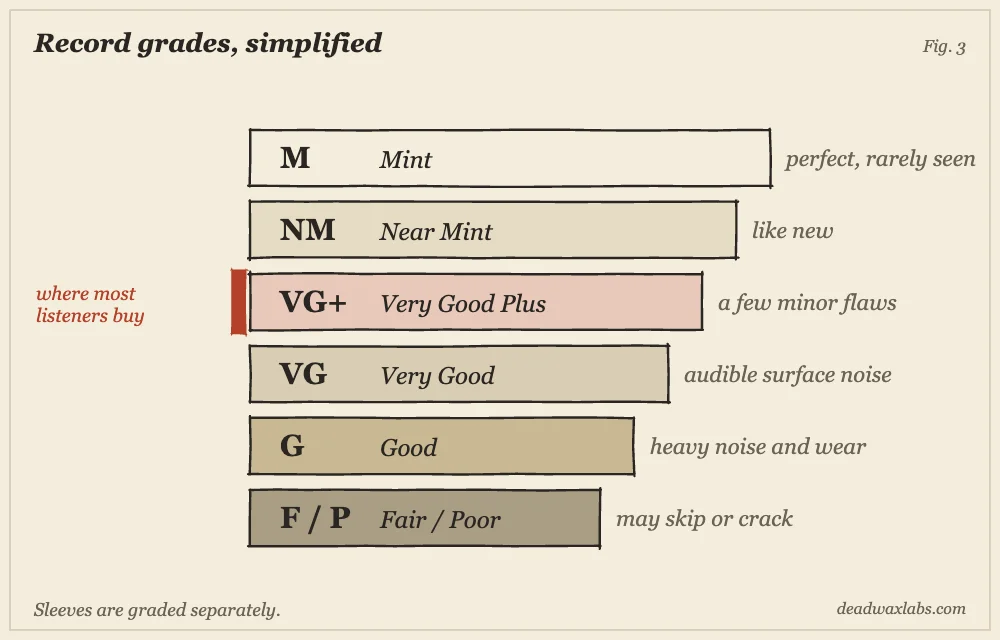
Most used records are graded on the Goldmine scale, and sellers on Discogs use it too. The short version:
| Grade | What it means |
|---|---|
| Mint (M) | Perfect, and rarely seen. |
| Near Mint (NM) | Nearly flawless, like a record bought and opened for the first time. |
| Very Good Plus (VG+) | Almost Near Mint, with a few minor flaws such as light scuffs. |
| Very Good (VG) | Clearly played, with audible surface noise, but the music comes through. |
| Good (G) and below | Heavy noise and wear. Fine as a placeholder, or for display. |
Per Goldmine, most collectors who want to play their records are happy with VG+. Goldmine puts VG at about a quarter of the Near Mint price. Treat that as a rough guide, since prices move by title.
A quick check at the shop or when a record arrives:
- Look at the record under a bright light, tilting it to catch scratches and scuffs.
- Run your eyes over the label and the deadwax for writing, stickers or stamps.
- Check the sleeve for ring wear, seam splits and writing, which is graded separately.
- If you can, play a track or two. Surface noise is easier to hear than to see.
The runout area also tells you which pressing you have. We cover that in our dead wax guide.
New, reissue or original?
An original pressing is the first version issued. A reissue is a later release, sometimes remastered. Originals are often more expensive and come with condition risk. A good reissue in clean shape is often the smarter buy for a listener. If you’re a completist, originals matter more. When in doubt, check Discogs for the pressings of that album and what collectors say about them.
Set a budget (and stick to it)
Pick a number you can spend each month and don’t go past it. Before you buy, check recent sale prices on Discogs, and decide which edition you want and can afford. Prices on the same album vary by edition, so shop for the version, not just the title.
Clean, store and protect your records
Storage is where a lot of beginners lose records without noticing. The advice from What Hi-Fi? and Crutchfield lines up:
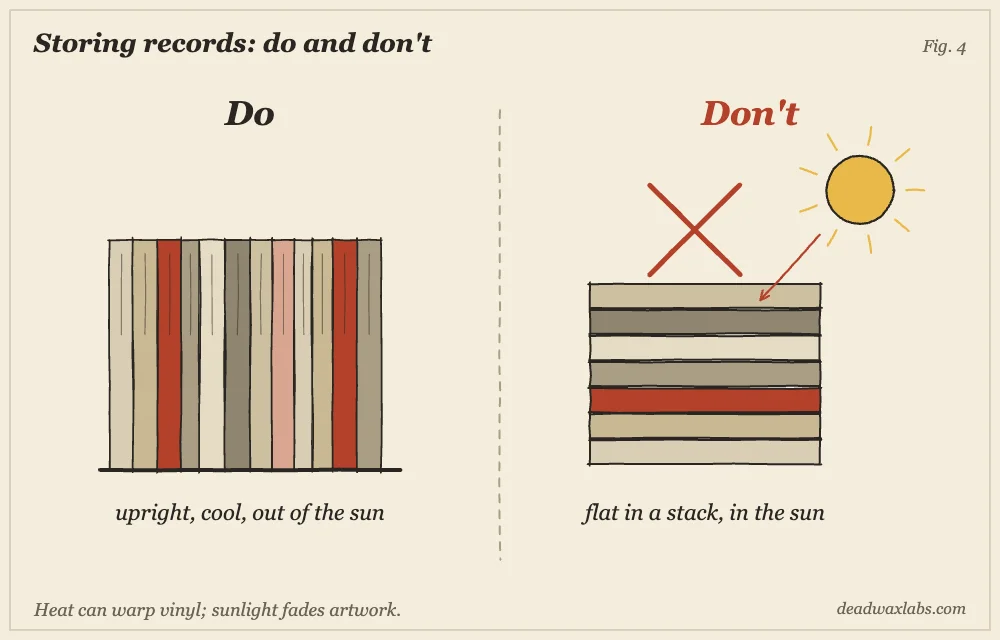
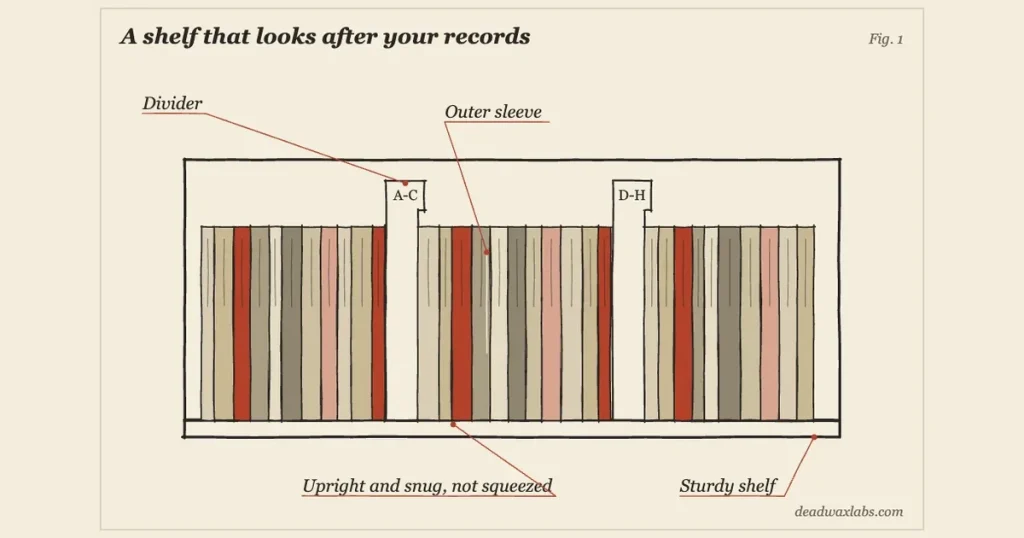
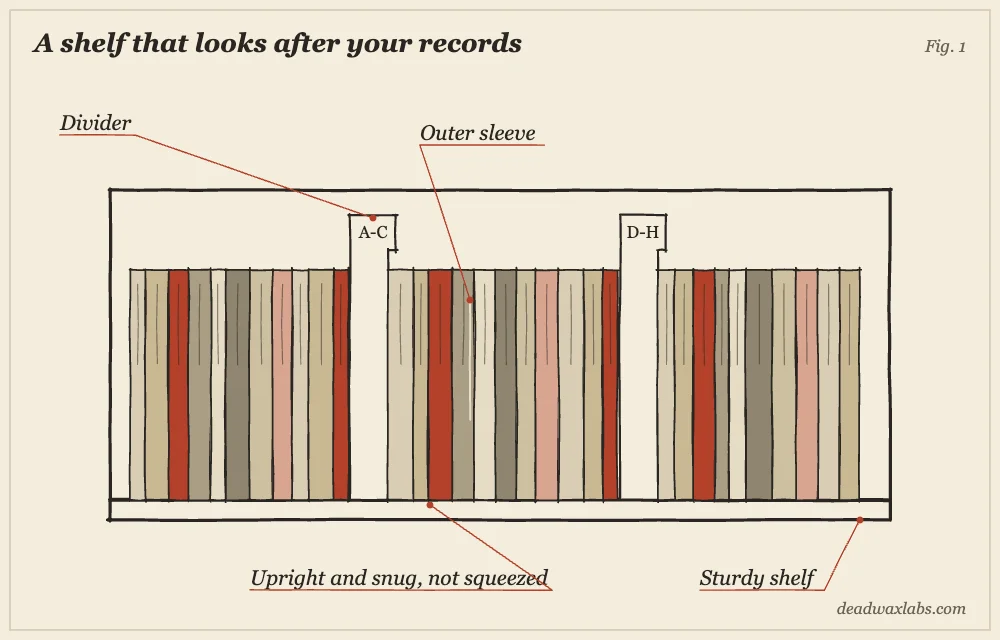
- Store them upright, like books, snug but not squeezed. Stacking records flat creates pressure that can cause warping.
- Keep them cool and out of the sun. Heat can warp vinyl, and UV light fades the artwork. Crutchfield suggests roughly 60 to 70°F.
- Watch humidity. What Hi-Fi? suggests aiming for roughly 45 to 55 percent to avoid mold.
- Use inner and outer sleeves. Anti-static plastic inners protect the disc better than paper, and outer sleeves protect the jacket.
- Don’t overcrowd. Leave a little room so records stay upright without being squeezed.
A few things to buy early. Anti-static inner sleeves and outer sleeves are cheap insurance. One popular inner sleeve is the Mobile Fidelity Original Master Sleeves.
A carbon fiber brush handles light dust before each play, and a Spin-Clean record washer is an affordable way to deep-clean used finds.
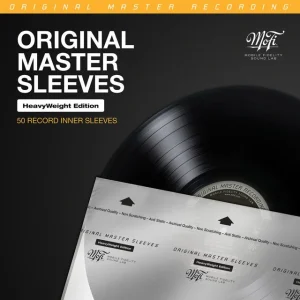
Mobile Fidelity Original Master Sleeves
A popular inner sleeve, sold in packs of 50.
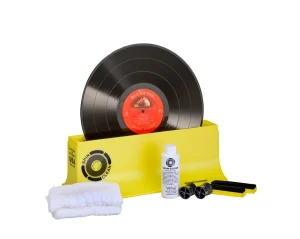
A basin and brush system you rotate the record through by hand. An affordable way to deep-clean used finds.
If your collection grows and you want to go further, our ultrasonic record cleaner guide covers the machines. For shelving, a sturdy record shelf or crate on a stable surface works, kept away from heat sources and out of reach of pets and kids.
Organize and keep track of what you own
Pick a system you’ll actually use, such as alphabetical, by genre or by mood. Rough Trade makes the point that the best sort is the one that keeps you listening to the whole collection.
Track it digitally. Discogs lets you add releases to a collection and a wantlist, which also gives you a list to work from if you ever need to insure or sell. If your shelves are getting full, our shelf divider generator makes custom 3D-printable dividers.
Grow it on purpose
Once you’ve got the basics, a few habits keep a collection good rather than just big:
- Keep a wantlist. It’s the antidote to impulse buys.
- Buy on a rhythm. One or two records a month beats a giant haul you can’t absorb.
- Replace as you go. Upgrade a worn copy when a cleaner one turns up. Rough Trade’s advice on preventative care applies: care tools are cheaper than restoration.
- Use Scout for new records on your wantlist. A real drop below the 90-day average is worth acting on.
Common mistakes
- Buying on cover art alone. A great sleeve can hide a worn disc.
- Ignoring condition. Grade the record and the sleeve separately.
- Stacking records flat. It’s the easiest way to cause a warp.
- Storing near heat or sun. A sunny shelf looks nice and wrecks records.
- Skipping the cleaning routine. Dirty records wear your stylus and your discs.
- Chasing rarity before you have the basics. A rare record you can’t play well is just a decoration.
FAQ
How many records make a vinyl collection?
There’s no official number. One record you care about is a collection. Most people find that a small, well-chosen shelf they actually play beats a large pile they never get to.
How much does it cost to start a vinyl collection?
Mostly the cost is the turntable setup, then the records. Used records in good condition (VG+) usually cost less than new copies. Check recent sales on Discogs before you pay.
Do people collect vinyl without a record player?
Some do, mostly for the artwork and the objects themselves. If you want to hear the music, you’ll need a turntable, and a modest one is enough to start.
Should I collect vinyl or CDs?
It’s a taste question, and plenty of collectors do both. Vinyl gives you big artwork and a ritual; CDs are cheaper and sturdier. Buy whichever format you’ll actually play.
Are vinyl records worth collecting?
Worth it for the listening, yes. Treat resale value as a bonus, not the plan, because condition and demand decide what a record sells for and most records aren’t rare.
In the market for a new turntable?
If you’re building a collection, you’ll want something worth playing it on. Browse our Turntable Guide to compare models side by side, then come back and fill the shelf.